Buying your first home in Melbourne can feel simple on the surface until you realize how much the location changes from one part of the city to the next. An older home near a historic area may offer character and convenience, while another property across town may bring a different commute, price point, and maintenance picture. If you want to buy with confidence, it helps to know what “established neighborhood” really means here and what to watch for before you make an offer. Let’s dive in.
What established neighborhoods mean in Melbourne
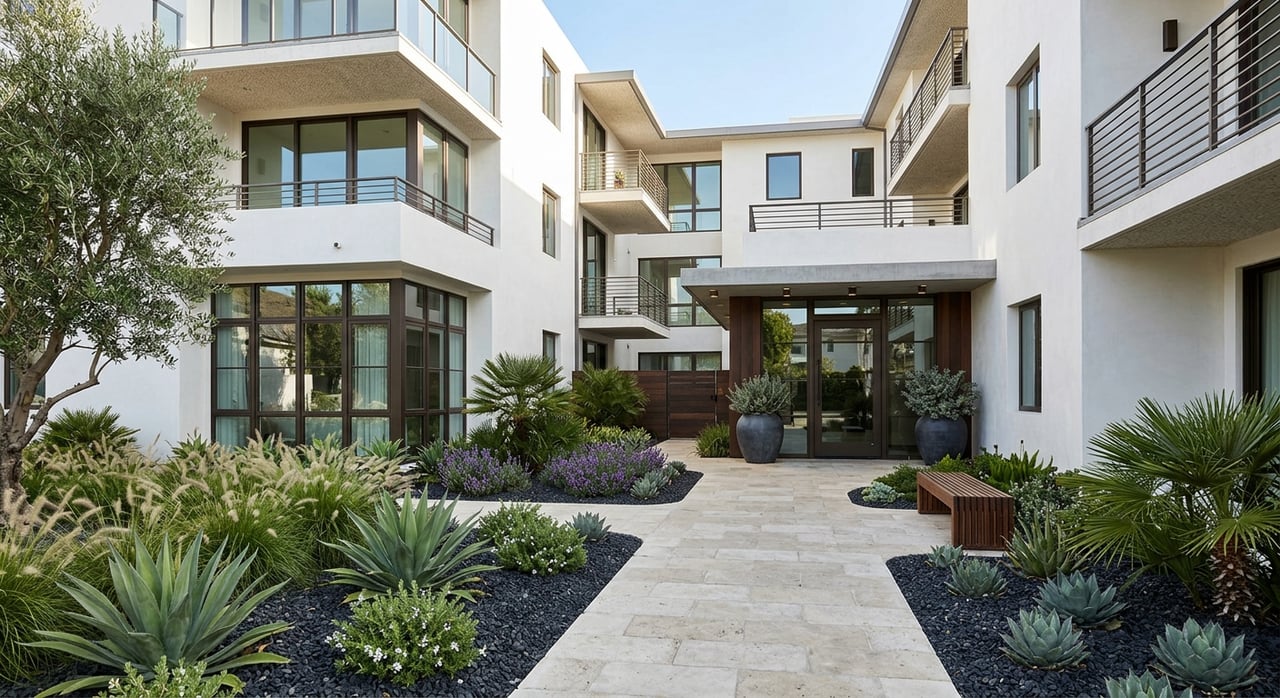
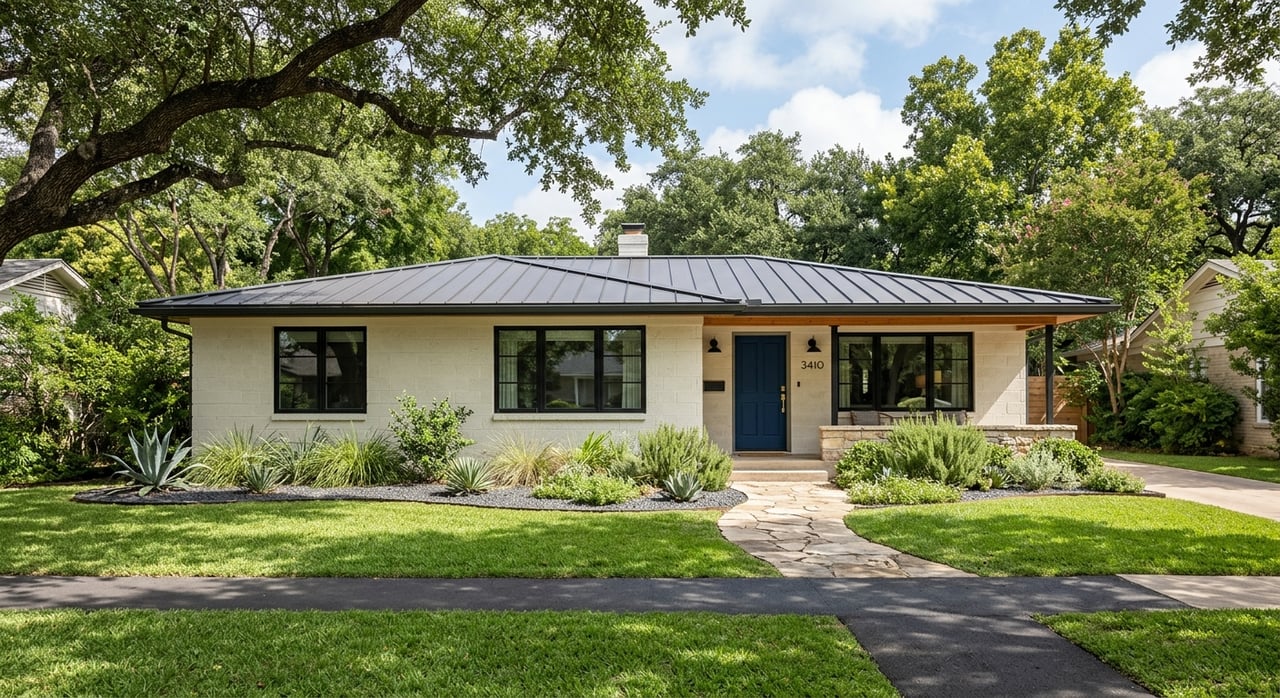
In Melbourne, established neighborhoods usually mean areas with older homes, mature streetscapes, and a more settled feel. That matters because the city includes both mainland and barrier-island areas, sits along the Indian River Lagoon, and has historic downtown areas that shape how different parts of the market feel and function.
For you as a first-time buyer, this means your decision is about more than square footage or bedroom count. You are often weighing location, access across the lagoon, proximity to downtown areas, and the upkeep that can come with older homes.
The city also has locally designated historic resources and one historic district. In practical terms, some homes or areas may come with added attention to architectural integrity, especially when it comes to exterior changes and future renovations.
Why neighborhood-level shopping matters
Melbourne is not one uniform market, and citywide averages only tell part of the story. Recent data points to a market that is active but not moving at an extreme pace, which can give first-time buyers room to compare options carefully.
Redfin reported a median sale price of $309,815 for Melbourne over the three months ending May 2026, with homes averaging 58 days on market. Realtor.com reported a June 2026 median listing price of $399,900, a median of 65 days on market, and a sale-to-list ratio of 98%, while labeling Melbourne a seller’s market.
Those numbers are useful, but they do not show the full range across Melbourne. Realtor.com ZIP-code data shows a notable spread, from about $287,450 in 32935 to $418,500 in 32904 and $495,000 in 32940.
That is why first-time buyers should compare homes by neighborhood and ZIP code, not just by a single city average. A home that looks affordable at first glance may come with a very different insurance cost, commute pattern, or repair outlook depending on where it sits.
Start with your budget and preapproval
Before you book tours, get clear on what you can comfortably afford. A strong early plan can help you move faster when the right home appears and can keep you from stretching your budget in a part of Melbourne that is more expensive than expected.
The Consumer Financial Protection Bureau recommends checking your credit, reviewing your finances, setting a home-price budget, and building a loan application packet before shopping. It also recommends asking at least three lenders for preapproval.
That comparison step matters. If you get those preapprovals within a short window, the CFPB says it should not have a major impact on your credit, and preapproval does not commit you to using that lender.
A simple prep checklist
Before you start serious home shopping, focus on these basics:
- Review your credit and monthly budget
- Set a target home price you can comfortably manage
- Save for down payment and closing costs
- Gather documents for your loan application
- Compare at least three lenders for preapproval
- Keep a short list of neighborhoods you want to watch
Look into first-time buyer help in Florida
If upfront costs are your biggest hurdle, you may have options worth exploring. Florida Housing offers Homebuyer Programs with 30-year fixed-rate first mortgages through participating lenders, and some programs can be paired with down payment and closing-cost assistance.
Florida Housing also says that if you have not owned a home in the past three years, you may be eligible for its first-time homebuyer program. That can be important even if this is not technically your very first purchase ever.
Fannie Mae also notes that completing a homeownership education course can help buyers qualify for assistance. If you are trying to balance savings, monthly payment, and closing costs, this is one of the smartest places to start.
Understand the tradeoff with older homes
Established neighborhoods often attract first-time buyers because they can offer charm, location, and a sense of place that newer areas may not. Still, older housing stock usually requires a closer look before you commit.
A home inspection is especially important in this part of the market. Fannie Mae says inspections can uncover safety issues, illegal installations, and maintenance or structural concerns.
Inspectors typically review major systems and components such as:
- Electrical
- Gas
- Plumbing
- Roofing
- Insulation and ventilation
- Heating and cooling systems
If your contract is contingent on a satisfactory inspection, the CFPB says you may be able to cancel without penalty or negotiate repairs or credits. For a first-time buyer, that contingency can create important protection when you are purchasing an older home.
Check permits before you buy
In Melbourne’s established neighborhoods, permit history can tell you a lot about a home. The City of Melbourne’s Building Section handles permits and inspections for construction, alterations, repairs, and relocations, and the city says inspection records are generated for permitted work.
That makes permit review a practical step when you are considering an older home with additions, roof work, remodels, or other major improvements. If updates were completed, you want to understand whether that work appears in the property’s record.
This step does not replace an inspection, but it adds helpful context. It can also give you better questions to ask before you move forward.
Weigh location against lifestyle
One of the biggest first-time buyer decisions in Melbourne is whether to prioritize an older home in a more established area or a newer home farther out. There is no one right answer, because the best fit depends on how you live day to day.
Melbourne’s geography plays a major role here. Since the city includes mainland and barrier-island areas and sits along the Indian River Lagoon, commute routes and cross-causeway access can shape your routine more than you might expect.
If you want to be closer to downtown areas, older neighborhoods may offer that convenience and character. If you want something with potentially newer systems or fewer immediate repair concerns, you may find yourself comparing options in a different part of the market.
Questions to ask yourself
As you compare homes, consider these questions:
- How important is a shorter daily commute?
- Would you rather take on updates now or pay more for newer features?
- Are you comfortable budgeting for maintenance in an older home?
- How much do location and neighborhood feel influence your decision?
Plan for flood and storm questions early
Because Melbourne spans mainland and barrier-island areas along the Indian River Lagoon, flood and storm-related questions should come up early in your search. This is especially relevant if you are considering areas closer to the water or routes affected by causeways.
Brevard County emergency management notes that storm surge has affected the east coast near Melbourne, and causeway approaches can be impacted in storms. For you, that means flood-zone checks and commute or egress planning are not small details. They are part of responsible home shopping.
The CFPB says homeowner’s insurance typically does not cover flood damage, so buyers may need a separate flood policy if the home is at risk. Homes in a Special Flood Hazard Area generally require flood insurance when the mortgage is government-backed.
Budget for the full cost of ownership
Your down payment is only one part of the picture. To buy confidently in Melbourne, especially in older neighborhoods, you need to plan for the full monthly and upfront cost of ownership.
Closing costs matter, and so can private mortgage insurance. Fannie Mae says conventional loans with less than 20% down may require PMI.
Property taxes also deserve attention. Brevard County says owners who occupy their primary residence may be eligible for Florida’s homestead exemption, and the Florida Department of Revenue says homestead exemption and Save Our Homes can reduce property-tax liability.
The county tax collector also notes that property taxes are paid in arrears and local millage rates are set locally. In other words, look at the total payment, not just the sale price, when you compare one Melbourne home to another.
A smart first-home strategy in Melbourne
If you are buying your first home in Melbourne’s established neighborhoods, your best advantage is preparation. Citywide pricing can only tell you so much, while neighborhood differences, property condition, permit history, and ownership costs often have a bigger impact on whether a home feels like a good fit.
The goal is not to avoid older homes. It is to understand them clearly, budget realistically, and choose a location that supports how you want to live every day.
With the right plan, you can enjoy the character of an established Melbourne neighborhood without losing sight of the details that matter most. If you want local guidance as you compare areas, price points, and property types, Gibbs Baum can help you navigate the process with clarity and confidence.
FAQs
What does an established neighborhood in Melbourne usually mean?
- In Melbourne, established neighborhoods often mean older homes, mature streetscapes, and areas shaped by the city’s historic downtowns, mainland locations, or barrier-island geography.
How competitive is the Melbourne housing market for first-time buyers?
- Recent market data suggests Melbourne is active but not extreme, with reported median days on market ranging from 58 to 65 days and meaningful price differences by ZIP code.
Why should first-time buyers compare Melbourne neighborhoods instead of city averages?
- Neighborhood-level pricing in Melbourne can vary widely, and those differences can affect not only price but also commute patterns, insurance needs, and expected maintenance.
What should first-time buyers do before touring homes in Melbourne?
- Start by checking your credit, setting a realistic budget, gathering loan documents, and comparing at least three lenders for preapproval.
Are there first-time homebuyer programs available in Florida?
- Yes. Florida Housing offers homebuyer programs with 30-year fixed-rate first mortgages through participating lenders, and some options may include down payment or closing-cost assistance.
Why is a home inspection especially important for older Melbourne homes?
- Older homes may have maintenance, structural, safety, or system issues that are not obvious during a showing, so an inspection can help you understand the property before closing.
Why should buyers check permit history on older Melbourne properties?
- Permit records can help you review whether major work like additions, roof replacements, or remodels was documented through the City of Melbourne’s permitting and inspection process.
Do Melbourne homebuyers need to think about flood insurance?
- Yes. Because Melbourne includes mainland and barrier-island areas near the Indian River Lagoon, buyers should check flood risk early since standard homeowner’s insurance typically does not cover flood damage.
What costs should first-time buyers budget for beyond the down payment in Melbourne?
- In addition to your down payment, plan for closing costs, possible PMI, homeowner’s insurance, possible flood insurance, property taxes, and future maintenance.
Can a primary residence in Brevard County qualify for a tax benefit?
- Yes. Owners who occupy their home as a primary residence may be eligible for Florida’s homestead exemption, which can help reduce property-tax liability.