If you are selling a home in Melbourne Beach, staging is not just about making it look nice. It is about helping buyers immediately picture the space, the light, and the coastal lifestyle that come with living on this barrier island. With the right approach, you can make your home feel brighter, calmer, and more memorable both online and in person. Let’s dive in.
Why staging matters in Melbourne Beach
Melbourne Beach has a very specific setting. Town planning materials describe it as a barrier island between the Atlantic Ocean and the Indian River, and local floodplain information notes that flooding can come from rainfall, tidal surges, tropical storms, hurricanes, the Atlantic Ocean, and the Indian River Lagoon. Town planning and coastal materials reinforce that this is a true coastal market, which shapes how buyers evaluate homes.
That context makes presentation especially important. According to the National Association of Realtors staging guidance, staging helps buyers visualize a property as their future home by focusing on cleaning, decluttering, repairing, depersonalizing, and updating the space. In NAR’s 2025 survey, 83% of buyers’ agents said staging made a home easier to visualize.
Staging can also influence perceived value. In the same 2025 Profile of Home Staging, 17% of buyers’ agents said staging increased the dollar value offered by 1% to 5% compared with similar unstaged homes. That does not guarantee a higher offer, but it does show why thoughtful presentation deserves attention before your home hits the market.
Start with the highest-impact rooms
Not every room needs the same level of effort. NAR found that the living room, primary bedroom, and kitchen are the top staging priorities for buyers’ agents. If you are deciding where to spend time and budget first, begin there.
These rooms shape a buyer’s first impression of daily life in the home. A bright living room suggests comfort and flexibility. A calm primary bedroom helps buyers imagine rest and privacy. A clean, streamlined kitchen signals function and care.
Stage the living room for light
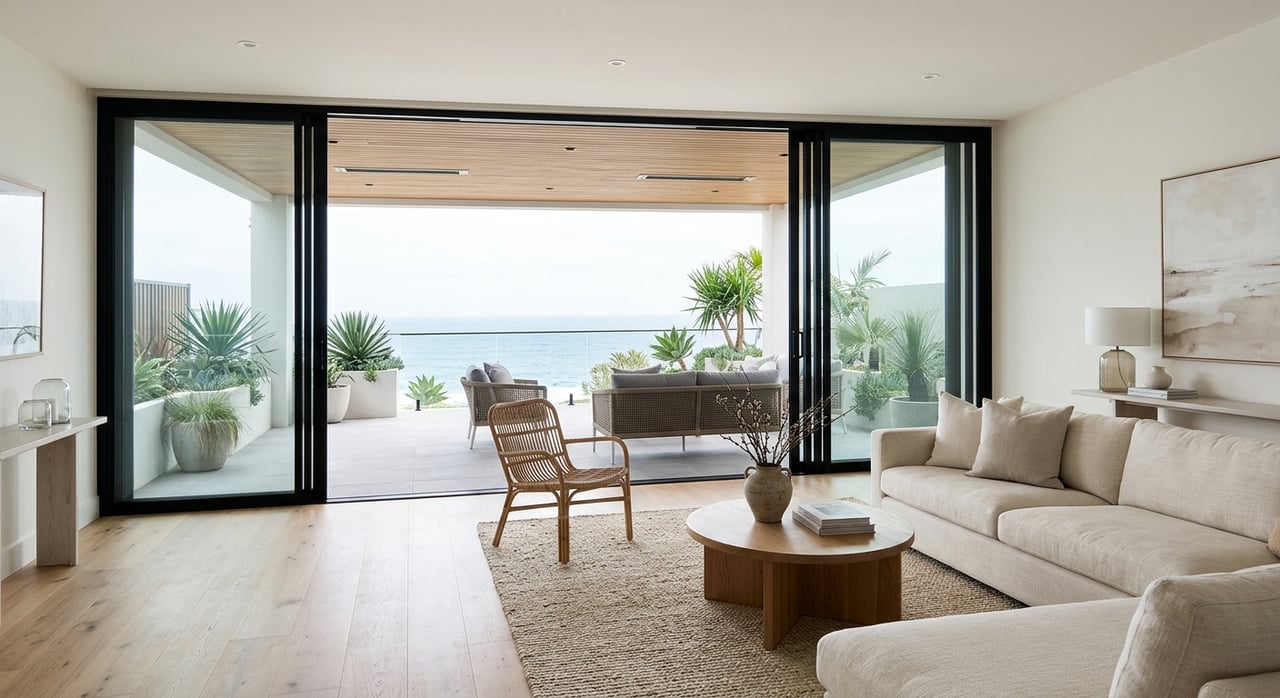
In a coastal home, the living room should feel open and easy. Pull back heavy window coverings, reduce extra furniture, and let natural light do more of the work. Buyers often respond to spaces that feel airy rather than overly themed.
Keep décor simple and neutral so the focus stays on the room itself. If your home has views, large windows, or a strong indoor-outdoor connection, avoid anything that competes with those features. The goal is to help buyers notice the space, not the styling effort.
Keep the primary bedroom calm
Your primary bedroom should feel restful and uncluttered. Remove personal photos, excess accessories, and anything that makes the room feel busy. Clean bedding in light, neutral tones often helps the room read as fresh and spacious.
This is also a good place to edit furniture. If the room feels tight, remove one or two nonessential pieces. Buyers should be able to move through the room easily and picture how their own furniture might fit.
Simplify the kitchen
Kitchens do not need to look empty, but they should look clean and functional. Clear off most countertop items, store away small appliances, and leave only a few intentional accents if needed. This helps buyers see the workspace and storage more clearly.
NAR’s staging guidance also recommends practical updates, including refreshed finishes and replacing worn carpet with wood, vinyl, or tile where appropriate. In a coastal setting, those materials can help a home feel cleaner and lower maintenance than dated flooring.
Create a calm coastal look
A Melbourne Beach home does not need obvious beach décor to feel coastal. In fact, too many shells, signs, ropes, or themed accessories can make rooms feel personal or dated. NAR recommends neutral wall colors, natural light, versatile spaces, and less clutter, which supports a more refined coastal presentation.
Think bright, simple, and low-clutter. Pack away personal collections, oversized decorative pieces, and anything that distracts from the floor plan or windows. When buyers scroll through photos, they should notice clean lines, open rooms, and a home that feels easy to enjoy.
Use neutral colors and textures
Soft whites, light grays, sandy tones, and subtle blues can work well in a coastal home because they support light rather than absorb it. Keep patterns limited and use texture carefully through pillows, bedding, or rugs. A restrained palette tends to photograph better and appeals to a wider range of buyers.
This approach also supports flexibility. Buyers want to imagine their own style in the home, whether they plan to use it as a primary residence, second home, or investment property. Neutral staging gives them room to do that.
Remove visual distractions
One of the easiest staging wins is editing what is already there. Clear bathroom counters, organize open shelves, and remove magnets, papers, and personal notes from the kitchen. Closets, laundry areas, and entry spaces also matter because buyers often open doors and look closely.
Keep in mind that listing photos carry real weight. NAR notes that photos, physical staging, videos, and virtual tours all rank as important tools in the selling process. That means even small visual distractions can affect how your home performs online.
Showcase outdoor living
In a coastal market, outdoor spaces are not just extras. They are part of the lifestyle many buyers are actively seeking. The National Association of Home Builders’ 2024 design trends highlight patio space, exterior lighting, front porches, and landscaping as top buyer interests.
For your Melbourne Beach home, staging should help buyers see how outdoor areas can be used day to day. That means a patio should feel like a place to gather, not a storage zone. A porch should feel welcoming, not forgotten.
Make outdoor areas feel usable
Group outdoor furniture in a way that suggests conversation or dining. Sweep surfaces, clean cushions, and remove anything broken or overly worn. If you have a porch, NAR recommends simple seating such as a bistro set, porch swing, or Adirondack-style chairs to make the space feel intentional.
It also helps to connect indoor and outdoor design. NAR recommends making the exterior feel like an extension of the home, which can be done by keeping colors and styling consistent across both spaces. Open blinds and curtains before showings so buyers can see that relationship right away.
Clean up the entry and curb appeal
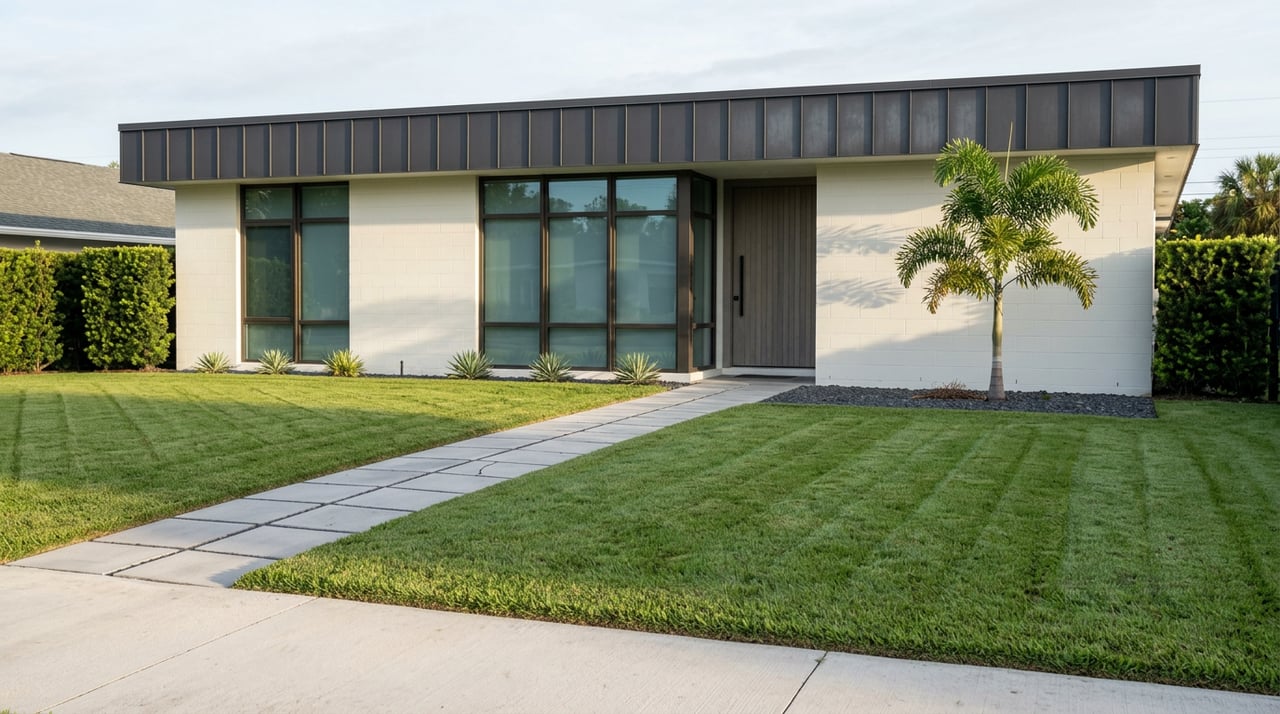
First impressions start before buyers walk through the door. Tidy the entry path, refresh the front porch, and make sure exterior lighting and landscaping look maintained. In a market like Melbourne Beach, buyers often expect a polished but relaxed coastal feel from the moment they arrive.
Even simple updates can help. Fresh mulch, trimmed plantings, and a clean front door can make the property feel cared for. Those details support the larger message that the home has been maintained thoughtfully.
Choose landscaping that fits the coast
Coastal landscaping in Melbourne Beach comes with practical constraints. UF/IFAS coastal landscape guidance notes that wind, salt, and sandy high-pH soils require extra planning, especially close to the coast. It recommends salt-tolerant plants in coastal locations and emphasizes the Florida-Friendly Landscaping principle of putting the right plant in the right place.
For staging purposes, that means your yard should look neat, intentional, and realistic for the setting. A landscape that appears manageable and suited to local conditions can reassure buyers. It also helps the property feel aligned with its environment rather than in conflict with it.
Focus on tidy, low-maintenance appeal
UF/IFAS lists examples such as bougainvillea, sea oats, and wax myrtle for coastal conditions, and it also notes that mulch can help control weeds and provide a more finished appearance. You do not need a major redesign to benefit from this guidance. Often, basic cleanup and a more cohesive look are enough.
If your home is near the coast, be thoughtful about replacing plants with options that suit salt and wind conditions. Buyers may not know the plant names, but they do notice when landscaping looks healthy and appropriate for the setting.
Know when professional staging helps
Some homes benefit from a light owner-led staging plan. Others need more support. Professional staging can be especially helpful if your home is vacant, if the current furniture does not fit the scale of the rooms, or if the listing needs stronger visual impact online.
According to NAR’s 2025 survey, the median spend on a staging service was $1,500, and virtual staging can also help with vacant or occupied homes that are hard to present well. In a market where photos and digital marketing matter so much, stronger presentation can improve how buyers engage with your listing from the start.
Consider virtual staging for vacant homes
An empty room can feel smaller and less inviting in photos. NAR notes that virtual staging can be useful when a home is vacant or difficult to furnish well. It can help buyers understand room scale and possible use, especially in main living areas and bedrooms.
That said, the goal should still be realism. A staged image should help buyers understand the home, not distract from it. Clean, accurate presentation builds more trust than overdone styling.
Your staging checklist before listing
Before your home goes live, focus on these essentials:
- Deep clean every room
- Remove personal items and excess décor
- Prioritize the living room, primary bedroom, and kitchen
- Maximize natural light
- Simplify furniture layouts
- Refresh worn finishes where practical
- Stage patios, porches, and outdoor seating areas
- Tidy landscaping and add fresh mulch if needed
- Make indoor and outdoor spaces feel connected
- Consider professional or virtual staging if presentation is a challenge
Staging a coastal home in Melbourne Beach works best when it feels polished, calm, and true to the setting. Buyers are not just evaluating square footage. They are responding to light, flow, ease of maintenance, and the way the home supports coastal living.
If you want expert guidance on preparing your property for the market, Gibbs Baum can help you position your home with a strategy built for Melbourne Beach sellers.
FAQs
What rooms should you stage first in a Melbourne Beach home?
- The living room, primary bedroom, and kitchen are the highest-priority rooms based on NAR’s 2025 staging survey.
How should you stage a coastal home without overdoing the beach theme?
- Use neutral colors, simple textures, natural light, and minimal décor so buyers focus on the space, layout, and views instead of themed accessories.
Why does outdoor staging matter for a Melbourne Beach listing?
- Outdoor spaces are a major lifestyle feature in coastal markets, and staging helps buyers see patios, porches, and entries as usable extensions of the home.
What landscaping works best when selling a home near the coast in Melbourne Beach?
- UF/IFAS recommends planning for salt, wind, and sandy soils, with salt-tolerant plants and tidy, low-maintenance landscaping that fits coastal conditions.
When should you consider professional staging for a Melbourne Beach property?
- Professional staging is often most useful when a home is vacant, the furnishings do not suit the space, or the listing needs stronger photo and online presentation.