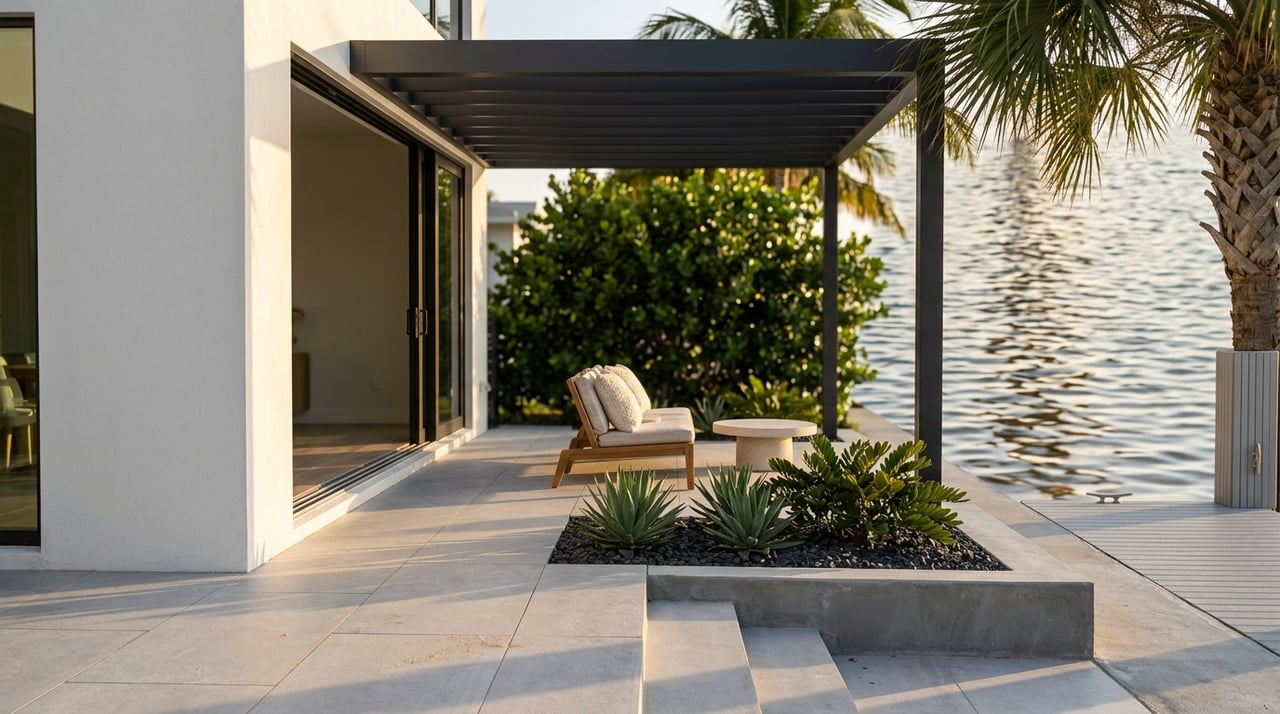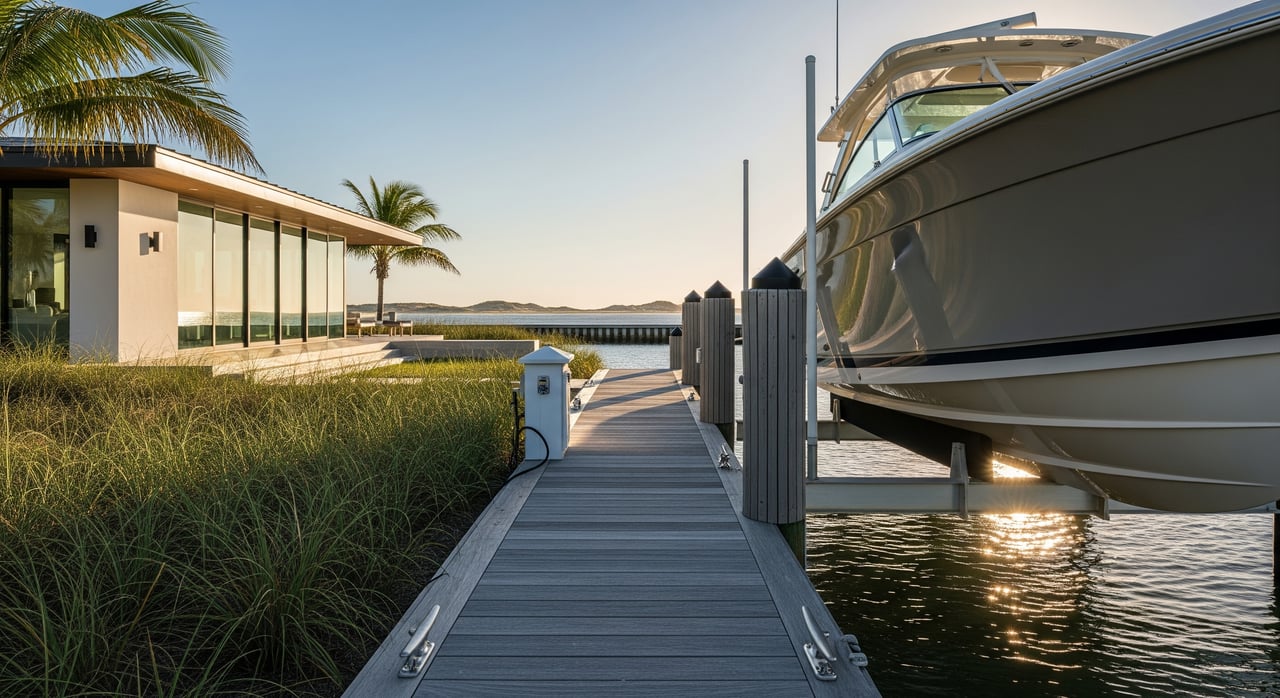
If a great day for you starts with calm water and ends with a sunset cruise, Satellite Beach makes boat-friendly living feel easy. You have the Atlantic Ocean on one side and the Banana River and Indian River Lagoon on the other, with plenty of homes that put you close to both. Still, every canal and dock is different. In this guide, you will learn what to check for depth, bridges, lifts, and local rhythms so your boat and property are a perfect match. Let’s dive in.
Satellite Beach waterways at a glance
Satellite Beach sits on a barrier island in Brevard County between the Atlantic Ocean and the Banana River/Indian River Lagoon. Many homes back to man-made canals that connect to the lagoon. The lagoon offers protected water for fishing, cruising, and sandbar time, while the Atlantic is your gateway for offshore runs via larger harbor entrances like Port Canaveral.
You will see a range of boats here. Small center consoles, bay boats, dual-console runabouts, and kayaks and paddleboards are common in the lagoon. Larger cruisers and yachts often keep slips at full-service marinas in nearby Cocoa Beach, Port Canaveral, or the Melbourne area.
Canals and depths: what to expect
Most west-side waterfront homes in Satellite Beach sit on dredged or man-made canals with seawalls and private docks. Canal widths and depths vary, and depths can change with shoaling and seasonal conditions.
- As a working assumption, many residential canals suit vessels with shallow to moderate drafts. Plan on needing about 2 to 4 feet of depth as a minimum safe clearance unless surveys show more.
- Tides in the lagoon are modest, but even small changes can affect flats and shallow entrances. Morning often brings calmer seas and better water conditions. Afternoon sea breezes can kick up chop.
- Before you buy, ask for recent sonar soundings or have a marine professional run soundings in the canal and entrance channel. Also request dredging history and any maintenance schedules from the seller or HOA.
Bridges and air draft: clearance checks
If your cruising routes include fixed bridges, air draft is just as important as water depth. Many runs around Satellite Beach and to the mainland involve passing under fixed spans that limit mast and antenna height.
- Measure your highest point, including antennas, radar domes, and towers, then compare to posted bridge clearances.
- Clearances can be listed relative to different tidal datums. Verify whether the number is at mean high water and compare with local tide tables.
- For many canal-front buyers, center consoles and low-profile cuddy cabins with air drafts under about 10 to 12 feet simplify life. Taller sailboats or sportfish with towers need explicit clearance checks.
- Get confirmation from official sources such as NOAA charts, bridge inventories, and Local Notices to Mariners, and cross-check with local marinas or marine patrol for practical guidance.
Ramps, marinas, and nearby services
You can mix private dockage with public ramps and nearby marinas based on your needs.
- Public boat ramps: Useful for trailering and quick lagoon access. Confirm ramp size, condition, and parking. County and state maps can point you to the right launch for your boat.
- Full-service marinas: Cocoa Beach, Port Canaveral, and the Melbourne area offer fuel, haul-out, repair, pumpout, and transient slips. Check availability, waitlists, power, and fuel options.
- Community docks and private slips: Verify ownership versus lease rights, guest policies, and any HOA rules or restrictions.
If you plan to rely on a private dock, confirm who handles maintenance, what size and weight of boat is permitted, and whether there are restrictions on lift installation or modifications.
Boat size, draft, and lift planning
Matching your boat to your canal and dock will save time and expense.
- Draft guidance:
- Small runabouts or center consoles often draw about 1 to 2.5 feet and are usually well suited to canals.
- Bay boats and small cabin cruisers draw about 2 to 4 feet and may be fine where dredging and channel depth are adequate.
- Larger cruisers and sailboats with more than 4 feet of draft need confirmed deeper access and may be better off in a marina.
- Beam and fitting: Measure boat beam and dock length. Check piling size, cleat placement, and whether prevailing winds allow safe mooring.
- Lift sizing: Typical residential lifts range widely, from about 1,500 to 5,000 pounds for skiffs to 10,000 to 20,000 plus for larger powerboats. Know your boat’s weight with fuel and gear and consult a qualified builder or engineer for selection.
- Lift height: The lift should keep outboards and sterndrives above normal high tide with margin. Coastal storm surge potential can influence how high the lift needs to sit.
Seawalls, pilings, and permits
Waterfront structures are regulated and can be costly to repair. Build due diligence into your timeline.
- Permitting: Brevard County and state agencies regulate docks, lifts, and seawalls. Confirm permits exist for any structures and note any shoreline restoration plans.
- Condition: Ask for maintenance records and age of the seawall, dock, lift, and hardware. Aging bulkheads can affect safety and usability.
- Future work: If you plan upgrades, check current code requirements and whether neighbors or HOAs have spacing or size restrictions.
Daily boating rhythms and seasons
Most days follow a predictable pattern. Mornings often bring calmer water for inshore runs, trolling, and paddle sessions. By late morning and afternoon, sea breezes tend to build and add chop in the lagoon and on the ocean.
Weekends and holidays often bring sandbar gatherings and social boating on parts of the Banana River and along the Intracoastal Waterway. If you value quiet waterfront living, understand the proximity of your dock to popular anchoring spots and how that affects noise and traffic.
Winter and spring are peak recreational seasons for many on Florida’s east coast. Summer brings heat and afternoon winds but is also prime time for family boating. Hurricane season runs from June to November, so plan ahead for storm preparation and haul-out options.
Rules, safety, and the environment
You will interact with several agencies and rulesets on the water and at your dock.
- Authorities and resources: The Florida Fish and Wildlife Conservation Commission handles boating rules, vessel registration, and manatee zones. The U.S. Coast Guard oversees navigational rules and safety standards. Brevard County and the City of Satellite Beach regulate docks, seawalls, and public ramps.
- Safety equipment: Have the required life jackets, visual distress signals, sound devices, fire extinguishers, and navigation lights for your boat type and length. Add a VHF radio, GPS or chartplotter, and a reliable anchor system. Offshore runs may call for an EPIRB or PLB.
- Environmental care: The Indian River Lagoon is an ecologically sensitive estuary. Use pumpouts, avoid seagrass beds, and follow no-discharge rules. Fuel and handle bilge water with care.
- Insurance: Waterfront homes and boats often need specific coverage. Check boat insurance for slip or trailer storage, liability for guests, and flood insurance for the property, since standard homeowners policies do not cover flood.
Buyer due diligence: a simple checklist
Use this checklist to reduce surprises and protect your budget.
- Order water depth soundings for the canal, dock area, and route to open water. Target low tide for conservative results.
- Verify bridge clearances on your intended routes and confirm the tidal datum used for posted numbers.
- Inspect the dock, pilings, lift, and electrical service. Confirm permitted lift capacity and maintenance history.
- Ask for HOA or community covenants governing boat size, guest moorage, and quiet hours.
- Review dredging history and any planned public works for your canal or access channel.
- Confirm storm plans, haul-out options, and available marina slips for hurricane season.
- Check the property’s flood zone, elevation, and insurance requirements.
- Match your boat’s draft, beam, and air draft to verified depths, widths, and bridge limits with a safety margin.
Lifestyle fit: picking the right property and boat
Think through how you will use your boat most days.
- Lagoon-focused lifestyle: If your priority is quick sandbar hops, inshore fishing, and evening cruises, a shallow-draft center console or bay boat paired with a canal-front home can be ideal.
- Offshore access: If you plan frequent offshore trips, consider proximity to larger marinas with fuel and haul-out service. A deeper-draft cruiser may fit better in a marina slip with secure parking and maintenance on site.
- Quiet versus social: If you prefer peace, research how close a property sits to popular weekend gathering spots and channel fairways.
Ready to align your boat and home?
Finding the right match of canal depth, bridge clearance, dock capacity, and neighborhood feel is what makes boat-friendly living effortless. If you are weighing options in Satellite Beach or nearby Brevard beaches, our team can help you verify the details, coordinate inspections, and move confidently.
Reach out to Gibbs Baum for tailored buyer representation, curated property matches, or to maximize exposure when listing your waterfront home. Request a Home Valuation to price with confidence and plan your next move.
FAQs
What should first-time buyers know about Satellite Beach canals?
- Many canals suit shallow to moderate draft boats. Always verify actual depths with soundings and ask for dredging history before you buy.
How do I check bridge clearance for my route and boat?
- Measure your highest point, including antennas and towers, then compare to official posted clearances and verify the tidal datum used for the number.
What size boat lift works for Brevard canal homes?
- Select a lift rated for your boat’s full weight and beam. Common lifts range from about 1,500 to 5,000 pounds for skiffs and 10,000 to 20,000 plus for larger boats.
Where do larger yachts typically keep slips near Satellite Beach?
- Bigger vessels commonly berth at full-service marinas in nearby Cocoa Beach, Port Canaveral, or the Melbourne area for deeper water, fuel, and haul-out.
How does hurricane season change boat plans in Satellite Beach?
- Hurricane season runs June to November. Have a written plan for securing or hauling your boat and arrange marina or yard options early.
Who enforces slow-speed and manatee zones in Brevard?
- Local marine patrol and the Florida Fish and Wildlife Conservation Commission enforce boating laws, including posted manatee and no-wake zones.