Thinking about a seawall repair, new dock, or boatlift on your Indian Harbour Beach property? Waterfront living here is special, but the Indian River Lagoon is a sensitive estuary with rules that protect seagrass and habitat. That means smart design and the right permits matter. In this guide, you’ll learn what to expect with seawalls, docks, and approvals so you can plan with confidence and protect your home’s value. Let’s dive in.
Indian Harbour Beach waterfront basics
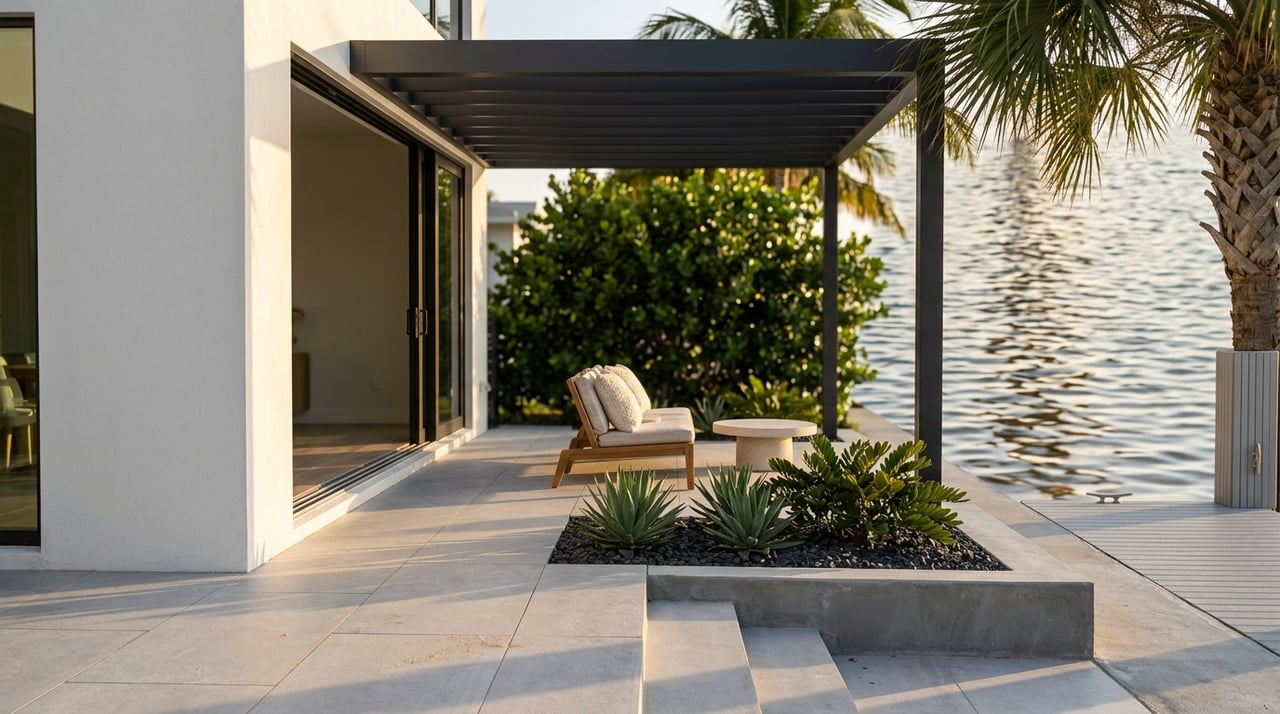
Indian Harbour Beach sits on a barrier island between the Atlantic and the Indian River Lagoon. The lagoon is shallow, with vital seagrass beds and fisheries habitat. Tides are modest, but wind, boat wake, and water levels still influence how docks and seawalls perform.
Because the lagoon is environmentally sensitive, several agencies oversee work in and over the water. Most projects need more than one authorization. Planning early and understanding the process can save you time and reduce surprises.
Seawalls and shoreline protection
Common types
- Concrete bulkheads with cast-in-place or precast panels
- Sheet-pile systems using steel or vinyl
- Riprap rock revetments where conditions allow
- Living shorelines that combine natural materials, oyster elements, and native plants
Pros and cons at a glance
- Hard seawalls provide immediate protection and long service life when engineered and built well. They can, however, accelerate erosion on adjacent properties and reduce intertidal habitat.
- Living shorelines support habitat and can calm wave energy. They work best in lower-energy areas and may not suit ocean-facing sites or severe erosion.
Maintenance and lifespan
- Concrete seawalls commonly last 30 to 50-plus years if maintained. Watch joints, toe protection, footings, and drainage.
- Steel sheet piling can last decades with the right coatings and corrosion management.
- Routine tasks include inspecting for scour or undercutting, repairing cracks, maintaining tie-backs, and preserving vegetated buffers where used.
Remember, seawalls help manage erosion but do not prevent flooding. Storm damage is possible and may be handled differently by homeowners and flood insurance policies.
Seawall permitting in Indian Harbour Beach
- City permits are typically required for construction or major repair. Brevard County may coordinate shoreline and environmental aspects.
- Work waterward of mean high water or on state-owned submerged lands usually needs state authorization. Ocean-side projects within the Coastal Construction Control Line require additional state permits and standards.
- If work affects wetlands or seagrass, federal review may apply. Living shoreline options may qualify for streamlined reviews in some cases.
Docks, lifts, and design choices
Dock types and materials
- Fixed, pile-supported docks are common and can be elevated with open pilings to reduce shading.
- Floating docks can adapt to water-level changes and may reduce shading with grated decking.
- Materials include treated timber, composite decking, aluminum framing, and corrosion-protected steel components.
Indian River Lagoon constraints
Seagrass protection drives many design decisions. Agencies often limit pier length, require grated decking to reduce shade, and specify piling spacing. A seagrass or benthic survey is often needed before approvals. Dredging access channels or slips is heavily regulated and often requires individual permits and mitigation.
Maintenance and safety
- Inspect docks annually for rot, marine borer damage, loose fasteners, and decking wear.
- Service boatlifts regularly. Cables, motors, and hydraulics need periodic attention. Ensure electrical work meets code and uses GFCI protection.
- Mitigate corrosion with coatings and sacrificial anodes where appropriate.
Typical lifespans
- Floating components and decking: about 10 to 30 years depending on materials and exposure.
- Aluminum framing and composite decking: often 20 to 40 years with care.
- Lift motors and gearboxes: replacement or refurbishment may be needed in the 10 to 20-year range, based on use and maintenance.
Permitting: who, what, and how
Agencies you may encounter
- City of Indian Harbour Beach Building Department for local building permits and inspections
- Brevard County Natural Resources for shoreline and environmental coordination
- Florida Department of Environmental Protection for sovereign submerged lands and state coastal permits
- U.S. Army Corps of Engineers, Jacksonville District, for work in navigable waters and any dredge or fill
- St. Johns River Water Management District in certain surface-water or dredging cases
Permit categories
- Exempt or minor maintenance for in-kind repairs that do not expand footprint or disturb habitat
- General or standard permits for typical small docks that meet strict size and impact limits
- Individual permits for larger projects, dredging, or seagrass impacts, which may require public notice, surveys, and mitigation
- Sovereign submerged lands authorization when structures extend over state-owned submerged lands
- Federal Section 10 and Section 404 permits when working in navigable waters or placing fill
A simple timeline
- Start with a pre-application call or site visit with the City and County to flag issues like seagrass, sovereign lands, or the Coastal Construction Control Line.
- Prepare plans: site plan, cross-sections, materials list, and required environmental surveys.
- Submit local building permits and start state and federal applications as needed.
- For individual permits, expect interagency review and public notice. Timelines range from weeks to months, and individual permits often take longer.
- Receive permits with conditions such as seasonal construction windows and mitigation.
- Complete required inspections and provide as-built documents if required.
What triggers a full individual permit
- Dredging an access channel or slip
- Projects that remove or permanently affect seagrass or bottom habitat
- Structures that exceed general-permit thresholds for size or piles
- Ocean-side work within the CCCL that affects dune faces or seaward areas
Tips to streamline approval
- Start local and early. City and County staff can help identify hurdles.
- Get a current seagrass or benthic survey if your design reaches into vegetated areas.
- Consider pre-application meetings with state and federal agencies for complex or dredge-related projects.
- Hire experienced local marine contractors or coastal engineers who know IRL permitting.
- Expect conditions like timing windows, mitigation, and monitoring. Build them into your schedule.
Buying or selling with waterfront improvements
How improvements affect value
A permitted, well-maintained dock and seawall can broaden appeal for buyers who value boating and direct water access. These features may shorten marketing time and improve perceived value. On the flip side, damaged, unsafe, or unpermitted structures can reduce interest and complicate financing or insurance. Local comps and appraisals determine the premium in each case.
Due diligence checklist for buyers
- Request permits and as-built drawings for seawalls, docks, lifts, and any dredging.
- Ask for maintenance records and dates of major repairs or replacements.
- Confirm any state submerged-land leases or authorizations and check for encroachments.
- Obtain a current seagrass or substrate condition report when relevant.
- Review flood zones and elevation data. Seawalls do not remove flood risk or insurance needs.
- Verify insurance requirements. Some carriers want proof of permits and recent inspections.
- Schedule an independent marine-structure inspection for pilings, decking, and lift systems.
Seller preparation tips
- Gather all permits, plans, and maintenance receipts into a clean package for buyers.
- Consider a pre-listing inspection of docks, lifts, and seawalls to address issues early.
- Be transparent about age, repairs, and permit status to avoid delays during escrow.
When you are ready to position your waterfront home for the right buyers, a clear, documented story about your shoreline and dock improvements is a real advantage.
Ready to talk strategy for your Indian Harbour Beach property or your next purchase? Connect with the local team that pairs on-the-ground expertise with global reach at Gibbs Baum.
FAQs
Do I need a permit to repair my seawall in Indian Harbour Beach?
- Minor in-kind repairs may qualify as maintenance, but most construction or major repairs require City permits and may need state or federal approvals if work extends waterward or affects habitat. Always confirm before starting.
How long do dock permits typically take on the Indian River Lagoon?
- General permits can move in weeks, while individual permits involving dredging or seagrass impacts can take several months due to surveys, interagency review, and possible mitigation.
What is a sovereign submerged lands authorization in Florida?
- It is a state authorization, often a lease or easement, allowing structures like docks over state-owned submerged lands. Conditions and fees may apply, and it typically runs alongside other permits.
Will a seawall protect my home from storm surge flooding?
- Seawalls help limit shoreline erosion but do not stop storm surge or flooding. Flood planning, elevation, and appropriate insurance are still essential.
Can I expand an existing dock without a new permit?
- Expansions usually trigger new reviews. Maintenance-in-kind may be exempt, but enlargements or added pilings often require amended or new permits.
Are living shorelines a viable option in Indian Harbour Beach?
- They can be effective in lower-energy lagoon settings and are encouraged where suitable. Site conditions and goals determine whether they are appropriate.
Do docks and lifts increase home value in Brevard County?
- They often increase appeal and can support stronger pricing for buyers who value boating access. The premium varies by property, design, condition, and current comps.