Dreaming about a place where you can land for a long weekend, walk to the beach, and lock the door when you leave? In Cocoa Beach, that kind of ownership can be very real, but the right condo is about more than a pretty view. If you want a true lock-and-leave escape, you need to understand how location, building condition, association rules, and storm planning all shape day-to-day convenience. Let’s dive in.
Why Cocoa Beach Fits Lock-And-Leave Buyers
Cocoa Beach has several traits that make it appealing for second-home and seasonal buyers. The city describes itself as a barrier-island community about six miles long and less than one mile wide, bordered by the Atlantic Ocean and the Banana River. It also notes that the city is almost completely built out, with a base population of 11,389 that rises to about 30,000 in season.
That setup can work well if you want a coastal home base without the upkeep of a larger property. Instead of managing a yard, exterior maintenance, and more space than you use, you can focus on easy arrivals, shorter stays, and simple routines. For many buyers, that is the real value of condo ownership here.
Cocoa Beach also welcomes a steady flow of visitors. The city reports more than 2.5 million day visitors each year, which helps explain why convenience matters so much in this market. If you are buying for quick escapes, being able to get in, settle fast, and enjoy the beach without much friction becomes a major part of the decision.
Cocoa Beach Convenience Matters
A lock-and-leave property should make short stays feel easy. Cocoa Beach says it offers 40 street-end beach access points with dune crossovers, four oceanfront parks, and more than 1,600 parking spaces. The city also sells annual parking permits to both residents and non-residents.
Those details may sound small at first, but they affect how usable your condo feels. If you can park easily, reach the beach quickly, and spend less time planning logistics, the home is more likely to fit the way you actually want to use it. That is especially true if you live out of the area and want every visit to feel simple.
How Location Changes the Condo Experience
Because Cocoa Beach is so narrow, building location has an outsized effect on ownership. Oceanfront, near-beach, and river-adjacent condos can all deliver a very different experience, even when they are only a short distance apart.
Oceanfront Condos
Oceanfront buildings put you closest to the sand and surf. For many buyers, that direct setting is the main draw, especially if your goal is to show up and immediately settle into a beach routine.
At the same time, oceanfront ownership can come with more exposure to salt air, wind, and storm-related wear. That does not make it the wrong choice, but it does make building condition, maintenance practices, and reserve planning more important.
Near-Beach Condos
Near-beach buildings can offer a practical middle ground. You may still be a short walk from public access points while sometimes gaining a different balance of parking, pricing, or building layout.
For a buyer focused on low-maintenance use, this category is worth a close look. If the building is easy to access and the beach trip is still simple, you may get much of the same lifestyle with a different ownership profile.
River-Adjacent Condos
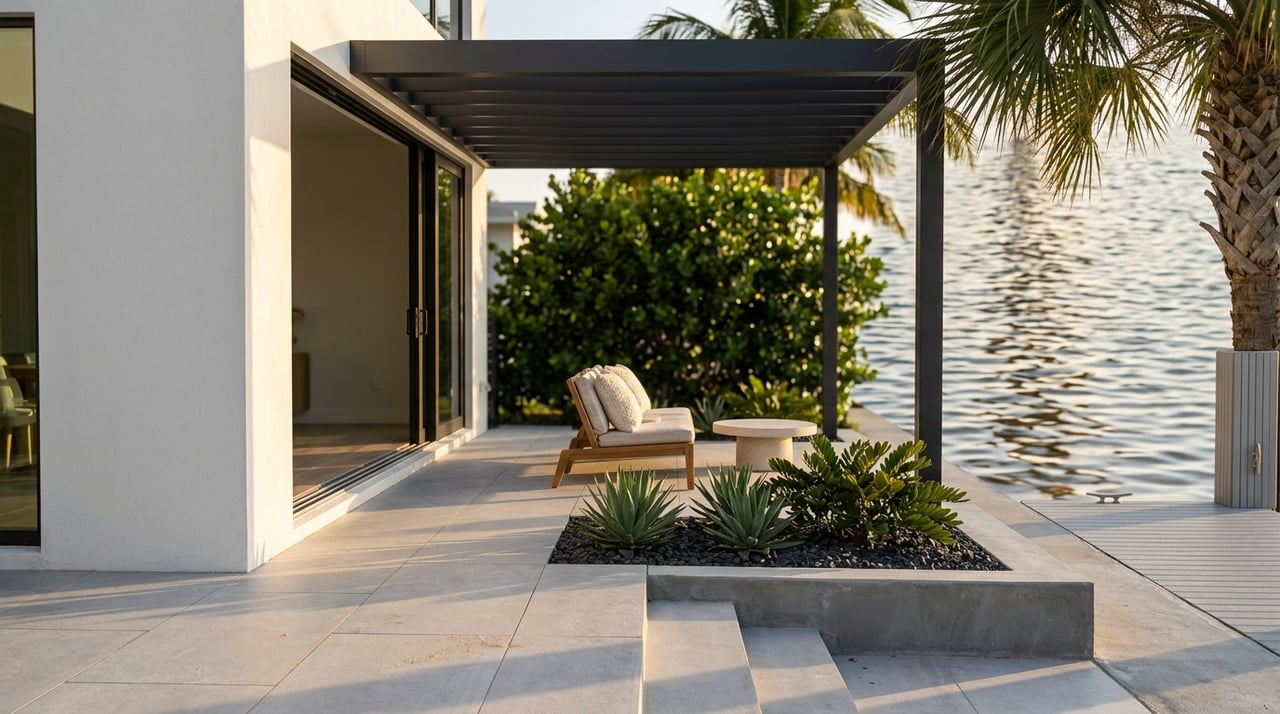
River-adjacent properties can appeal to buyers who care as much about a peaceful setting or water views as direct beach frontage. In Cocoa Beach, the Atlantic and Banana River create distinct micro-locations across a very compact city.
The tradeoffs can include different views, different parking arrangements, and a different feel during storm events or busy visitor periods. For that reason, it helps to compare not just the unit, but also how the building sits on the island and how you expect to use it.
What You Actually Own in a Florida Condo
In Florida, a condominium parcel is separate real property. That means you are buying the unit itself along with an undivided share in the common elements, plus the exclusive right to use any limited or exclusive-use areas defined in the declaration.
This matters because the declaration is not just background paperwork. Florida law allows the declaration to include covenants and restrictions on use, occupancy, and transfer, and those provisions run with the land. In plain terms, the rules are part of the ownership experience.
If you plan to use the condo seasonally, that is a key point. The way guests, parking, storage, renovations, pets, and leasing are handled can affect whether the property truly feels easy to own from a distance.
The Rules Matter More Than You Think
A lock-and-leave buyer should read condo documents with a practical mindset. You are not just asking whether the building looks good today. You are asking whether the rules support the way you want to live in and use the property.
Focus on questions like these:
- Are there lease minimums or rental restrictions?
- Are guest policies clearly defined?
- Is parking assigned, covered, or limited?
- Do you have access to storage for beach gear?
- Are pet policies workable for your household?
- What approvals are required before updates or improvements?
If a unit will ever be leased, Florida law also says the tenant generally receives common-element use rights, and the association may adopt rules to prevent dual usage by the owner and tenant. For seasonal owners, that makes lease rules especially important to understand before you commit.
Why Building Condition Should Lead Your Search
In a coastal condo market, the building itself is a major part of the purchase. Florida law generally makes the association responsible for common-element maintenance, repair, and replacement unless the declaration assigns certain limited-common-element duties differently.
That can be a major benefit for lock-and-leave owners. Instead of personally managing every exterior item, you are relying on the association structure to maintain shared systems and spaces. Still, that convenience only works well when the building is well managed and financially prepared.
Milestone Inspections and Reserve Studies
Florida requires condominiums that are three habitable stories or higher to complete milestone inspections, with the first inspection due at age 30 and then every 10 years after that. For many Cocoa Beach buyers, especially in older coastal buildings, this is a critical piece of due diligence.
Florida also requires certain associations to complete a structural integrity reserve study, known as a SIRS. According to the state, the study covers major items such as the roof, structure, load-bearing walls, fireproofing, plumbing, electrical systems, waterproofing, exterior painting, windows, and exterior doors, and it includes a reserve funding plan.
For budgets adopted on or after December 31, 2024, associations subject to SIRS cannot simply waive or underfund reserves for the required structural items. That makes reserve funding more than a side note. It is a major signal of how a building is planning for real-world maintenance needs.
What to Review Before You Buy
Florida says buyers should have access to the milestone summary and the most recent SIRS. Those records can help you understand the building’s physical condition and whether major work may be coming.
Out-of-area buyers should also request and review:
- The declaration
- Bylaws and current rules
- Approved board minutes
- Current budgets
- Contracts and bids
- Inspection summaries
- The most recent SIRS
State law says official records must be maintained for at least seven years and made available within 10 working days of a written request. It also says associations with 25 or more units must post key documents online by January 1, 2026, including declarations, bylaws, rules, minutes, contracts, notices, inspection reports, and the most recent SIRS.
Storm Planning Is Part of Ownership
On a barrier island, storm readiness is not a side issue. It is part of how you evaluate whether a condo works as a reliable second home.
Florida law allows condo boards to adopt hurricane-protection specifications and clarifies how owners and associations may share responsibility for windows, doors, and other exterior protection systems. If your goal is easy ownership, you should understand exactly what the building handles and what falls to you.
Flood risk should also be reviewed directly. Florida’s resale contract disclosures require a prominent notice that standard homeowners coverage does not include flood damage and encourage buyers to discuss separate flood insurance with their agent.
Because Cocoa Beach sits on a barrier island, buyers should verify the flood zone through FEMA’s Flood Map Service Center. It is also smart to remember a practical local issue after storms: reentry may be delayed until bridges are inspected.
A Simple Lock-And-Leave Checklist
When you compare Cocoa Beach condos, it helps to keep your priorities simple and consistent. A true lock-and-leave property usually checks most of these boxes:
- Easy parking for owners and guests
- Quick beach access for short stays
- Clear hurricane-protection standards
- Strong reserve planning
- Recent inspection transparency
- Rules that fit your guest or lease plans
- Manageable maintenance responsibilities
- A location on the island that matches how you will use the home
The more of those items you confirm upfront, the easier it is to avoid surprises later. In a market like Cocoa Beach, that kind of clarity often matters more than a flashy first impression.
The Right Condo Is About Ease
Buying a Cocoa Beach condo as a lock-and-leave escape is not just about finding an attractive unit near the water. It is about choosing a building and location that support easy arrivals, lower maintenance, and fewer ownership headaches over time.
If you keep your focus on building condition, association governance, storm preparedness, and daily convenience, you will be in a much better position to buy with confidence. And if you want local guidance as you compare oceanfront, near-beach, and river-adjacent options, Gibbs Baum can help you navigate the Cocoa Beach condo market with a clear, coastal perspective.
FAQs
What makes a Cocoa Beach condo good for lock-and-leave use?
- A strong fit usually includes easy parking, convenient beach access, clear association rules, solid building maintenance, and storm-prepared features that reduce hands-on ownership.
What condo documents should you review before buying in Cocoa Beach?
- You should review the declaration, bylaws, rules, approved board minutes, budgets, contracts, bids, milestone summary, and the most recent structural integrity reserve study.
Why do reserve studies matter for Cocoa Beach condo buyers?
- Reserve studies help show whether an association is planning and funding major structural and building-system repairs, which is especially important in older coastal buildings.
What does Florida law say you own in a condominium?
- In Florida, you own the unit plus an undivided share in the common elements and any exclusive-use rights provided in the declaration.
Why is storm planning important when buying a Cocoa Beach condo?
- Cocoa Beach is on a barrier island, so buyers should review flood risk, hurricane-protection responsibilities, and the possibility of delayed reentry after storms while bridges are inspected.
Are Cocoa Beach condo rules important for seasonal owners?
- Yes. Rules on guests, parking, pets, storage, renovations, and leasing can directly affect whether the condo works well for part-time or remote ownership.