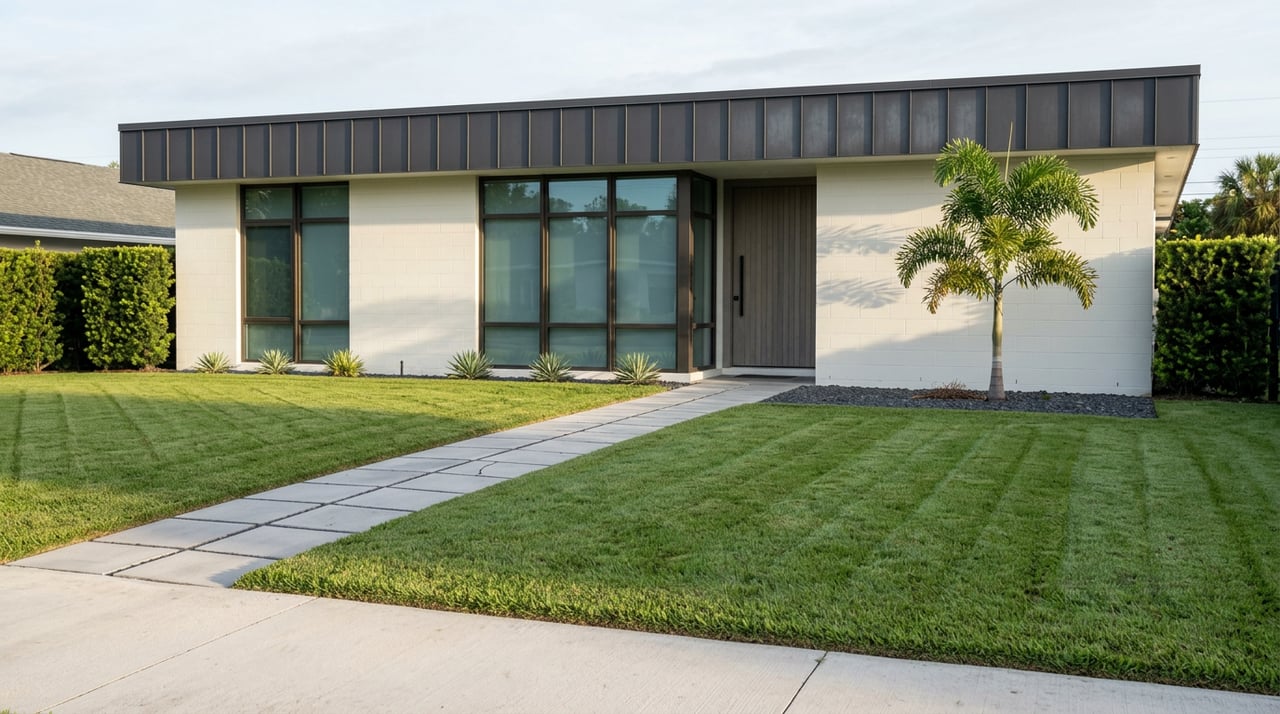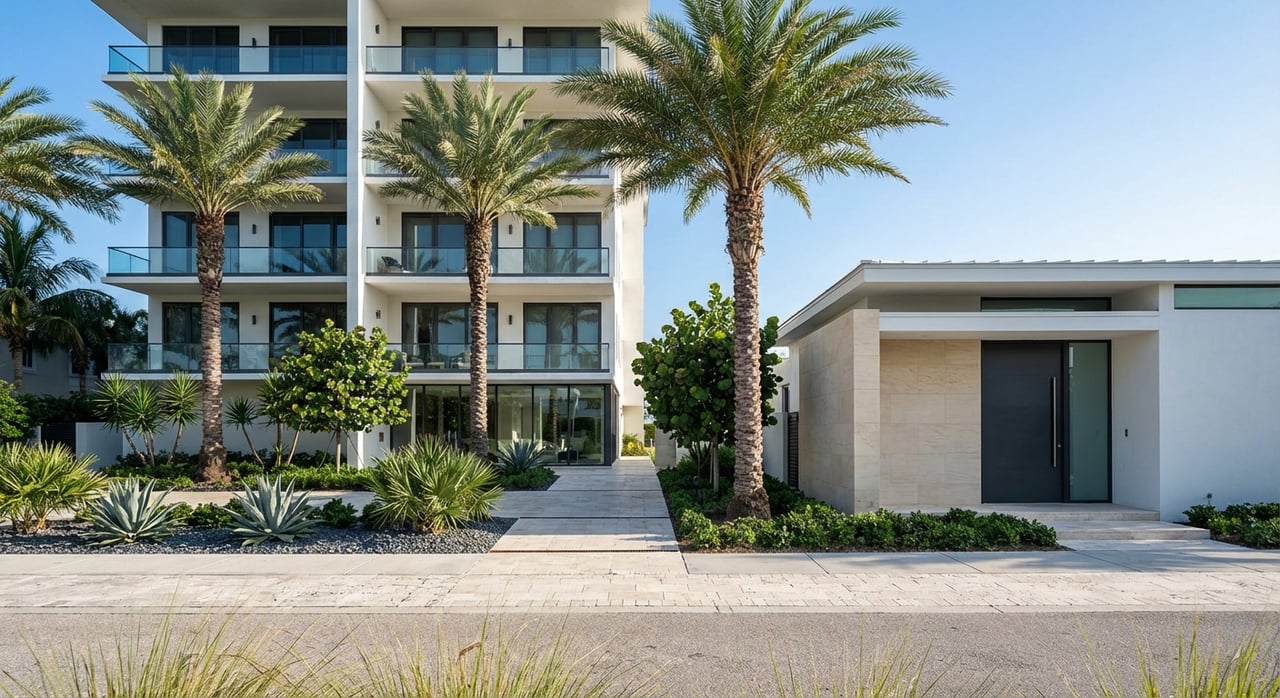
If you’re picturing morning walks by the pier and sunset cruises on the Banana River, the next question is simple: which home style fits you better in Cocoa Beach — a low‑maintenance condo or a private single‑family home? Both offer a great beach lifestyle, but they come with very different costs, rules, and responsibilities. In this guide, you’ll compare prices, fees, insurance, rental rules, and coastal risks so you can pick with confidence. Let’s dive in.
Market snapshot in Cocoa Beach
Recent snapshots show a typical Cocoa Beach home value around $449,771 based on broad indexes, with some reports placing the median sale price near $430,000 late last year. Local segments often diverge: many condos trade in the $300,000 to $400,000 range while single‑family homes in several neighborhoods can run well above $700,000. These figures move with view, age, and location, especially oceanfront vs canal or river.
Inventory also varies by property type. Several 2025 Space Coast reports showed higher months’ supply for condos than single‑family homes, which can affect negotiating power and time on market. Always confirm fresh, neighborhood‑level data before you write an offer.
What you pay each month
- Condos: You’ll pay monthly association dues that typically cover exterior upkeep, common areas, amenities, and sometimes portions of insurance or utilities. In recent listings, Cocoa Beach condo dues often ranged from about $400 to $1,100+ per month, depending on building age, services, and coverage. Treat these as examples and verify current numbers for any building you’re considering.
- Single‑family: You control exterior maintenance and yard care, so you won’t have condo dues, but you’ll budget directly for roof, landscaping, dock or seawall work if applicable, and any amenity costs you add yourself.
Property taxes are driven by assessed value and local millage. For context on taxing authorities and millage, review Brevard County resources on taxing jurisdictions and rates, then pull the target property’s actual tax record.
Insurance and storm exposure
Condo unit owners typically carry an HO‑6 policy for interior finishes, contents, and liability, while the association’s master policy insures the structure and common elements. Coverage details vary by building, so ask to see the master policy declarations to understand what’s “walls‑in” vs owner responsibility. For an overview of HO‑6 coverage basics, see this plain‑English guide.
Single‑family owners carry an HO‑3 or similar policy that covers the structure and contents directly. Along the coast, wind and hurricane provisions, deductibles, and opening protection can drive pricing.
For flood risk, lenders usually require flood insurance if any portion of the collateral is in a FEMA Special Flood Hazard Area. Review how SFHA flood insurance requirements work, run a flood‑zone check on your parcel, and obtain quotes early. Florida’s property insurance market remains active but evolving, and older coastal buildings with issues can see higher premiums or coverage challenges at the association level. For context on market trends, track state insurer updates from Citizens Property Insurance.
Maintenance and assessments
One of the biggest condo tradeoffs is shared responsibility for building systems. After the Surfside tragedy, Florida enacted stricter rules for milestone inspections and structural integrity reserve studies (SIRS) for many buildings, especially 3+ stories near the coast. These rules can raise reserves or trigger special assessments in older buildings that need concrete, roof, or balcony work. Review a building’s inspection status and reserves using the state’s guidance on SB 4‑D reforms before you commit.
In a single‑family home, you control maintenance decisions and timelines, but you also fund all exterior work directly. That means planning for roof life cycles, stucco or siding, windows and doors, and any seawall or dock needs if you’re on the river or canal.
Space, privacy, and lifestyle
A condo often suits buyers who want less hands‑on maintenance, built‑in amenities, and easy access to the beach, restaurants, and events. You’ll likely share walls, have set pet and rental rules, and trade a private yard for a pool, gym, or on‑site management.
A single‑family home tends to fit buyers who want more privacy, a garage, yard space, and room to remodel. Canal and riverfront properties can offer docks and boating access, while homes near the ocean put you steps from the sand. For a quick local primer, see the Cocoa Beach overview.
Rental rules in Cocoa Beach
If you plan to rent short‑term, you must comply with the city’s program. Cocoa Beach requires vacation rentals to register with the city, obtain a Business Tax Receipt, and follow occupancy and safety rules. The city updated its rules in 2025, expanding registration, fees, and enforcement, with many fees now tied to approved guest capacity. Review the city’s Vacation Rental Registration page and confirm the latest ordinance details before you underwrite income.
Association rules are separate. Many condos and HOAs limit minimum stays or prohibit short‑term rentals. Always read the governing documents closely. For statutory context on association powers and rules, review Florida’s Chapter 720 HOA statutes and check the condo declaration for rental provisions.
Coastal risk and building code
Coastal construction in Florida faces specific wind‑borne debris standards and opening protection requirements. When you replace windows or exterior doors, you may need impact‑rated products or tested shutter systems that meet current code. Learn how these requirements work from this overview of Florida Building Code opening protection. These upgrades can improve resilience and help with insurance.
For condos, structural health is paramount. Ask for milestone inspection reports, SIRS documents, and any pending or approved special assessments. For both condos and houses, verify roof age, corrosion exposure near salt water, and major system timelines.
How to decide — quick checklist
- Budget your true monthly cost. Add mortgage, condo dues if applicable, property taxes, flood and homeowners insurance, and utilities. In Cocoa Beach, condo dues commonly range from about $400 to $1,100+ per month depending on building and coverage. Verify current figures for your short list.
- For condos, request the full association packet early. Review budgets, reserve study (SIRS), meeting minutes, insurance declarations and master policy, special assessment history, rental rules, and milestone inspection status. Florida’s SB 4‑D rules make these items essential in coastal buildings.
- Confirm short‑term rental legality and fees. Check the City of Cocoa Beach’s vacation rental registration requirements and your building’s rental rules. Model the city’s fee structure, occupancy limits, cleaning, utilities, and management before projecting ROI.
- Check flood zone and elevation. Use FEMA resources to understand when flood insurance is required in SFHAs. If a property is in or near an SFHA, get an Elevation Certificate and quotes from both NFIP and private carriers.
- Get insurance quotes early. For condos, pair HO‑6 coverage with an understanding of the master policy and any large deductibles. For houses, quote an HO‑3 with wind and flood where needed. For HO‑6 basics, see this explainer.
- Inspect for coastal wear and upcoming capital work. Ask about concrete restoration, roof age, window and door ratings, and any planned projects. In condos, review meeting minutes and engineer reports for upcoming work.
- Match lifestyle to property type. Choose condos for convenience, amenities, and location. Choose single‑family for space, privacy, parking, and flexibility. Use your tolerance for rules and maintenance as the tiebreaker.
The bottom line
If you value turnkey living, shared amenities, and proximity to the beach, a condo in Cocoa Beach can be a smart, predictable way to own on the coast. If you want privacy, outdoor space, and full control over your property, a single‑family home may be worth the extra maintenance and insurance planning. Either way, your best move is to run the numbers, confirm building health and insurance, and verify rental rules before you write an offer.
If you want a local, boutique team to help you compare options, underwrite costs, and secure the right coastal lifestyle, connect with Gibbs Baum. We’ll tailor a search to your goals and guide you from first showing to smooth closing.
FAQs
What are typical condo fees in Cocoa Beach?
- Recent listings show many dues between about $400 and $1,100+ per month, depending on building age, amenities, and what the fee covers. Always verify the current budget and any planned changes.
How do condo and house insurance costs differ on the coast?
- Condo owners buy HO‑6 policies for interiors and contents while the association insures the structure. Homeowners buy HO‑3 policies for the entire dwelling. Wind and flood exposures drive both, so get quotes early and review the association’s master policy details.
Are short‑term rentals allowed in Cocoa Beach?
- The city requires registration, a Business Tax Receipt, and compliance with occupancy and safety standards under updated 2025 rules. Also check your association’s governing documents, which may set stricter limits than the city.
What condo inspection rules should I know about in Florida?
- Many coastal buildings 3+ stories must complete milestone inspections and maintain structural reserves under post‑Surfside reforms. Review the building’s inspection reports and SIRS to gauge future costs.
Do I need flood insurance in Cocoa Beach?
- If any part of the property securing your mortgage lies in a FEMA Special Flood Hazard Area, lenders generally require flood insurance. Verify the flood zone and elevation, then compare NFIP and private quotes.
Which is better for privacy: condo or single‑family?
- Single‑family homes typically offer more privacy, yard or dock space, and flexibility to remodel. Condos trade some privacy for convenience, amenities, and less hands‑on maintenance.