You want the water, the view, and the easy coastal lifestyle. But you also want clarity on fees, insurance, new Florida rules, and what to check before you buy. If you are eyeing a waterfront condo in Indian Harbour Beach, a little homework goes a long way. This guide breaks down water types, building features, budgeting, inspections, rentals, and a simple due diligence checklist so you can move with confidence. Let’s dive in.
What waterfront means locally
Indian Harbour Beach sits on a narrow barrier island between the Atlantic Ocean and the Indian River Lagoon system. It is a small city with a relaxed feel and convenient public beach access points. For official contacts and local services, start with the City of Indian Harbour Beach. Population sits around nine thousand residents, according to Census QuickFacts.
Waterfront can mean several things here. Your insurance, maintenance needs, and lifestyle perks will vary by location and building type. Here is how to think about the most common options.
Oceanfront
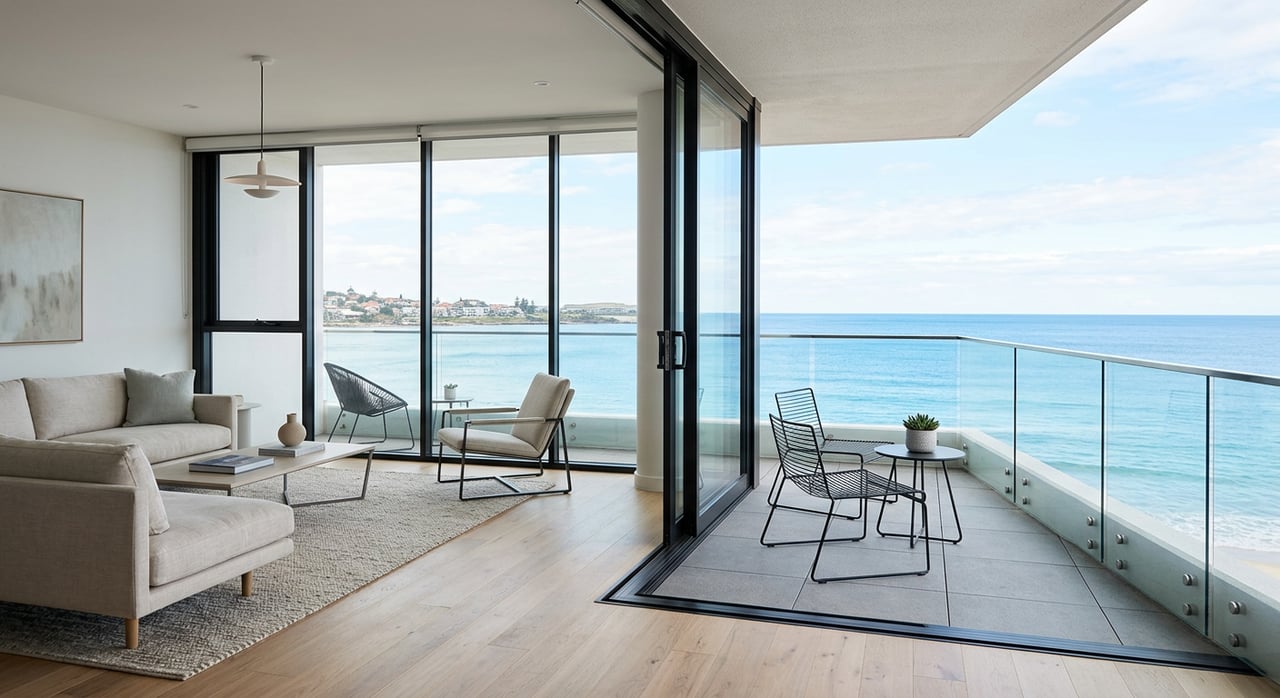
These buildings sit directly on the sand with panoramic Atlantic views. You get the clearest line to the beach and the strongest salt‑air exposure. Expect higher building maintenance needs and, in some cases, higher insurance costs.
Ocean‑view/second row
These buildings sit behind the dune line or across the street from the beach. You still enjoy breezes and views, often with a bit more protection than direct oceanfront. Salt‑air wear still applies.
Riverfront/Intracoastal
Buildings on the Indian River Lagoon or Banana River often trade direct wave action for calmer water. Many offer docks or assigned boat slips. Seawall and dock upkeep may be part of the association’s plan.
Canals and marinas
Canal and harbor complexes can include private docks or managed slip programs. Confirm whether a slip is deeded to the unit or assigned by the association.
Building features and upkeep
Most barrier‑island condos offer a familiar amenity set: pools, elevators in multi‑story buildings, clubhouses, on‑site or contracted management, covered or assigned parking, fitness rooms, and boat access at river or marina properties.
Who maintains what
In Florida, associations usually maintain the building’s common elements and structure. Unit owners typically maintain interior finishes and personal property. Florida law details association duties and master insurance requirements. Always confirm the exact boundaries in the condo documents and the master policy declarations. You can review the statutory framework in Florida Statute 718.111.
Salt air realities
Coastal exposure accelerates wear on metal, concrete, windows, and sliding doors. Balconies, railings, roofs, exterior coatings, and garages may require more frequent work. Ask for recent engineering reports and the reserve study to understand upcoming projects.
Budget basics and fees
Association fees in Indian Harbour Beach vary widely by building size, amenities, and what the dues include. Recent local listings show a range from about 140 dollars per month in smaller communities to roughly 500 to 800 dollars or more per month in larger, full‑service buildings. Get the current budget and estoppel for the specific building you are considering.
What dues often cover
Dues commonly fund:
- The building’s master property and liability insurance
- Common‑area maintenance for grounds, pool, elevator, exterior painting
- Professional or on‑site management
- Water, sewer, trash in some communities
- Pest control in some buildings
- Reserve contributions for future major repairs
Confirm line items in the association budget. Look for reserve contributions that match the building’s long‑term needs.
Insurance you will need
- Association master policy. The association must carry adequate property insurance on the condominium property. See the association duties in Florida Statute 718.111.
- Your unit policy (HO‑6). You will typically buy an HO‑6 policy for interiors, contents, and loss assessment coverage.
- Flood insurance. Flood coverage may be required by your lender and is based on your flood zone and elevation. Check the address in the FEMA Flood Map Service Center and request an elevation certificate if available.
- Market context. Florida’s insurance market has been volatile. Policy costs and availability can change. Review your association’s master policy and premium history, and obtain current quotes for your HO‑6 and flood. For broader insurance rules, see Florida Statutes Chapter 627.
For property taxes and parcel data, use the Brevard County Property Appraiser.
New condo rules to know
After Surfside, Florida adopted milestone structural inspections and Structural Integrity Reserve Studies (SIRS) for many condo buildings that are three or more habitable stories. Results can trigger required repairs and funding obligations, which may lead to special assessments. Before you buy, ask whether the building has completed its milestone inspection, whether any phase‑2 issues were found, and whether a SIRS is complete and current. The state’s portal outlines requirements and deadlines here: DBPR Condominium Division.
What this means for your budget: buildings that underfunded reserves in the past may need to increase dues or levy assessments. Review meeting minutes, reserve studies, and current budgets to gauge near‑term projects.
Financing and rentals
Lenders review condo projects for reserves, litigation, occupancy mix, and rental rules. Florida also requires specific disclosures and document delivery to buyers, with a short period to cancel after receipt in many cases. You can read the disclosure framework in Florida Statute 718.503.
If you plan to rent your unit, confirm both city requirements and association rules. Indian Harbour Beach requires vacation rentals to register and pass a fire safety inspection. Learn more on the city’s Vacation Rentals page. Many buildings also restrict short‑term rentals, so review the declaration and rules.
Your due diligence checklist
Use this step‑by‑step list to protect your purchase and your budget:
- Association documents. Request the declaration, bylaws, articles, rules, most recent budgets, reserve study, and any SIRS. Florida law outlines record‑keeping and access in Section 718.111.
- Milestone and SIRS status. Ask whether the building completed its milestone inspection, any phase‑2 findings, and the current SIRS. Verify with the DBPR portal.
- Financial health. Review reserves, recent or pending special assessments, planned projects over the next five years, and delinquency rates.
- Insurance. Obtain the master policy declarations page, note the deductible, and request recent premium history. Get HO‑6 and flood quotes for your unit’s floor level and elevation.
- Flood and elevation. Look up the address in FEMA’s maps and request an elevation certificate if available. For long‑term sea‑level screening, explore the NOAA Sea Level Rise Viewer.
- Physical condition. Have your inspector or an engineer evaluate balconies for spalling, waterproofing, railings, garage or deck concrete, visible rebar, exterior paint or coatings, rooftop systems, elevator service records, drainage and pumps, and, if applicable, seawalls and docks.
- Operations and rules. Check roof replacement schedule, elevator modernization plans, pool and deck maintenance history, exterior painting cycle, pest contracts, and any litigation. Confirm rental policies and city registration needs.
Condos vs other options
Waterfront condos offer convenience, amenities, and lower personal maintenance. Many buildings include pools, fitness rooms, and easy beach or marina access. For seasonal residents, the lock‑and‑leave factor is a major win.
The tradeoffs include recurring association fees, potential special assessments tied to SIRS and milestone findings, possible insurance cost increases, and more lender scrutiny for projects with low reserves or unresolved reports. If you want full control over repairs, garage space, or a private yard, a single‑family home may fit better.
Choose the right fit
- Define your lifestyle first. Do you want toes‑in‑the‑sand mornings, dock access, or both?
- Verify exposure. Use FEMA maps to understand flood zones and ask for elevation details.
- Review building health. Read the reserve study, SIRS, minutes, and budget before you write an offer.
- Get insurance quotes early. Price your HO‑6 and flood policies and study the master policy deductible.
- Plan for reserves. Favor buildings with consistent reserve funding and clear maintenance plans.
- Inspect what matters. Focus on balconies, concrete, elevators, roofs, and waterfront structures.
Ready to compare oceanfront vs riverfront or zero in on a building that fits your plans? Our local team can help you weigh the tradeoffs, line up inspections, and negotiate with clarity. Connect with Gibbs Baum to start your Indian Harbour Beach condo search.
FAQs
What is the difference between oceanfront and riverfront costs in Indian Harbour Beach?
- Oceanfront buildings often face higher salt‑air exposure and, in some cases, higher insurance and maintenance costs than riverfront properties, which are more protected from direct ocean waves.
What do typical HOA dues include for waterfront condos?
- Dues often fund the master insurance policy, common‑area upkeep, management, some utilities, pest control in some communities, and reserve contributions; always confirm the current budget line items.
How do Florida’s milestone inspections and SIRS affect me as a buyer?
- Findings can require repairs and reserve funding that lead to higher dues or special assessments, so review the building’s inspection results, SIRS, and meeting minutes before you buy.
Do I need flood insurance if I buy a condo unit?
- Your lender may require it based on flood zone and elevation, and it is wise to price coverage after checking the address in FEMA maps and reviewing the building’s master policy.
Can I use my condo for short‑term rentals in Indian Harbour Beach?
- The city requires vacation rentals to register and pass fire safety checks, and many associations restrict short‑term rentals, so verify both city rules and condo documents.
What documents should I request before making an offer?
- Ask for the declaration, rules, current budget, reserve study or SIRS, insurance declarations, milestone status, recent minutes, and any details on planned projects or assessments.
How do lenders review condos for financing?
- Lenders examine project reserves, insurance, occupancy mix, litigation, and structural reports; Florida law also provides for specific seller disclosures and a short cancellation period after delivery.